
cw-manager precheck https://test.com/ – https://test.com
cw-manager precheck https://test.com/ – https://test.com

cw-manager precheck https://test.com/ – https://test.com
COVID-19 is a contagious disease caused by the coronavirus SARS-CoV-2. In January 2020, the disease spread worldwide, resulting in the COVID-19 pandemic.
The symptoms of COVID‑19 can vary but often include fever,[7] fatigue, cough, breathing difficulties, loss of smell, and loss of taste.[8][9][10] Symptoms may begin one to fourteen days after exposure to the virus. At least a third of people who are infected do not develop noticeable symptoms.[11][12] Of those who develop symptoms noticeable enough to be classified as patients, most (81%) develop mild to moderate symptoms (up to mild pneumonia), while 14% develop severe symptoms (dyspnea, hypoxia, or more than 50% lung involvement on imaging), and 5% develop critical symptoms (respiratory failure, shock, or multiorgan dysfunction).[13] Older people have a higher risk of developing severe symptoms. Some complications result in death. Some people continue to experience a range of effects (long COVID) for months or years after infection, and damage to organs has been observed.[14] Multi-year studies on the long-term effects are ongoing.[15]
COVID‑19 transmission occurs when infectious particles are breathed in or come into contact with the eyes, nose, or mouth. The risk is highest when people are in close proximity, but small airborne particles containing the virus can remain suspended in the air and travel over longer distances, particularly indoors. Transmission can also occur when people touch their eyes, nose, or mouth after touching surfaces or objects that have been contaminated by the virus. People remain contagious for up to 20 days and can spread the virus even if they do not develop symptoms.[16]
Testing methods for COVID-19 to detect the virus’s nucleic acid include real-time reverse transcription polymerase chain reaction (RT‑PCR),[17][18] transcription-mediated amplification,[17][18][19] and reverse transcription loop-mediated isothermal amplification (RT‑LAMP)[17][18] from a nasopharyngeal swab.[20]
Several COVID-19 vaccines have been approved and distributed in various countries, many of which have initiated mass vaccination campaigns. Other preventive measures include physical or social distancing, quarantining, ventilation of indoor spaces, use of face masks or coverings in public, covering coughs and sneezes, hand washing, and keeping unwashed hands away from the face. While drugs have been developed to inhibit the virus, the primary treatment is still symptomatic, managing the disease through supportive care, isolation, and experimental measures.

The trucking industry stands at the cusp of a revolution, driven by technology, environmental concerns, and evolving business models. As we navigate the road ahead, three key trends are poised to redefine logistics, offering both challenges and opportunities.
A significant shift toward sustainability is reshaping the trucking landscape. Electrification of fleets is at the forefront of this change, with companies increasingly investing in electric vehicles (EVs) to reduce carbon footprints and comply with stricter emissions regulations. This move not only supports environmental goals but also promises lower operating costs in the long term. Additionally, the integration of renewable energy sources for charging infrastructure further underscores the industry’s commitment to green logistics.
Autonomous driving technology is moving from concept to reality, promising to enhance efficiency and safety in trucking operations. While fully autonomous trucks may still be on the horizon, advanced driver-assistance systems (ADAS) are already making roads safer. Connected technology, through the Internet of Things (IoT), enables real-time tracking, route optimization, and predictive maintenance, streamlining operations and reducing downtime. This digital transformation is not just about adopting new technologies but rethinking logistics processes for improved service delivery.
The demand for customized and flexible shipping solutions is growing. Customers now expect more than just timely deliveries; they seek personalized service and transparency. This has led to the development of sophisticated logistics software that offers real-time updates, dynamic routing, and tailored services to meet diverse customer needs. As a result, the trucking industry is becoming more agile, responsive, and customer-focused.
These trends indicate a dynamic future for trucking, where innovation drives efficiency, sustainability, and customer satisfaction. Embracing these changes, the industry is set to navigate the challenges of tomorrow, ensuring the smooth movement of goods in an increasingly interconnected world.

The trucking industry stands at the cusp of a revolution, driven by technology, environmental concerns, and evolving business models. As we navigate the road ahead, three key trends are poised to redefine logistics, offering both challenges and opportunities.
A significant shift toward sustainability is reshaping the trucking landscape. Electrification of fleets is at the forefront of this change, with companies increasingly investing in electric vehicles (EVs) to reduce carbon footprints and comply with stricter emissions regulations. This move not only supports environmental goals but also promises lower operating costs in the long term. Additionally, the integration of renewable energy sources for charging infrastructure further underscores the industry’s commitment to green logistics.
Autonomous driving technology is moving from concept to reality, promising to enhance efficiency and safety in trucking operations. While fully autonomous trucks may still be on the horizon, advanced driver-assistance systems (ADAS) are already making roads safer. Connected technology, through the Internet of Things (IoT), enables real-time tracking, route optimization, and predictive maintenance, streamlining operations and reducing downtime. This digital transformation is not just about adopting new technologies but rethinking logistics processes for improved service delivery.
The demand for customized and flexible shipping solutions is growing. Customers now expect more than just timely deliveries; they seek personalized service and transparency. This has led to the development of sophisticated logistics software that offers real-time updates, dynamic routing, and tailored services to meet diverse customer needs. As a result, the trucking industry is becoming more agile, responsive, and customer-focused.
These trends indicate a dynamic future for trucking, where innovation drives efficiency, sustainability, and customer satisfaction. Embracing these changes, the industry is set to navigate the challenges of tomorrow, ensuring the smooth movement of goods in an increasingly interconnected world.
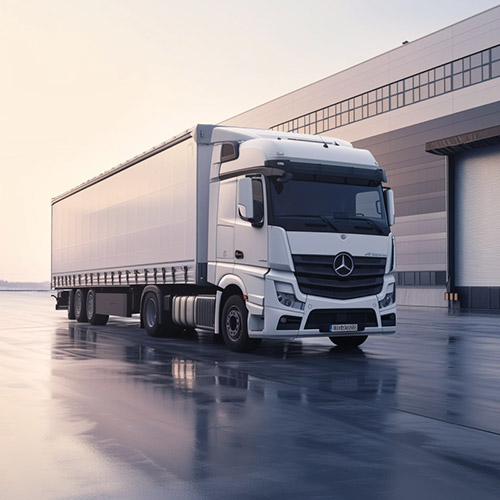
The trucking industry stands at the cusp of a revolution, driven by technology, environmental concerns, and evolving business models. As we navigate the road ahead, three key trends are poised to redefine logistics, offering both challenges and opportunities.
A significant shift toward sustainability is reshaping the trucking landscape. Electrification of fleets is at the forefront of this change, with companies increasingly investing in electric vehicles (EVs) to reduce carbon footprints and comply with stricter emissions regulations. This move not only supports environmental goals but also promises lower operating costs in the long term. Additionally, the integration of renewable energy sources for charging infrastructure further underscores the industry’s commitment to green logistics.
Autonomous driving technology is moving from concept to reality, promising to enhance efficiency and safety in trucking operations. While fully autonomous trucks may still be on the horizon, advanced driver-assistance systems (ADAS) are already making roads safer. Connected technology, through the Internet of Things (IoT), enables real-time tracking, route optimization, and predictive maintenance, streamlining operations and reducing downtime. This digital transformation is not just about adopting new technologies but rethinking logistics processes for improved service delivery.
The demand for customized and flexible shipping solutions is growing. Customers now expect more than just timely deliveries; they seek personalized service and transparency. This has led to the development of sophisticated logistics software that offers real-time updates, dynamic routing, and tailored services to meet diverse customer needs. As a result, the trucking industry is becoming more agile, responsive, and customer-focused.
These trends indicate a dynamic future for trucking, where innovation drives efficiency, sustainability, and customer satisfaction. Embracing these changes, the industry is set to navigate the challenges of tomorrow, ensuring the smooth movement of goods in an increasingly interconnected world.

The trucking industry stands at the cusp of a revolution, driven by technology, environmental concerns, and evolving business models. As we navigate the road ahead, three key trends are poised to redefine logistics, offering both challenges and opportunities.
A significant shift toward sustainability is reshaping the trucking landscape. Electrification of fleets is at the forefront of this change, with companies increasingly investing in electric vehicles (EVs) to reduce carbon footprints and comply with stricter emissions regulations. This move not only supports environmental goals but also promises lower operating costs in the long term. Additionally, the integration of renewable energy sources for charging infrastructure further underscores the industry’s commitment to green logistics.
Autonomous driving technology is moving from concept to reality, promising to enhance efficiency and safety in trucking operations. While fully autonomous trucks may still be on the horizon, advanced driver-assistance systems (ADAS) are already making roads safer. Connected technology, through the Internet of Things (IoT), enables real-time tracking, route optimization, and predictive maintenance, streamlining operations and reducing downtime. This digital transformation is not just about adopting new technologies but rethinking logistics processes for improved service delivery.
The demand for customized and flexible shipping solutions is growing. Customers now expect more than just timely deliveries; they seek personalized service and transparency. This has led to the development of sophisticated logistics software that offers real-time updates, dynamic routing, and tailored services to meet diverse customer needs. As a result, the trucking industry is becoming more agile, responsive, and customer-focused.
These trends indicate a dynamic future for trucking, where innovation drives efficiency, sustainability, and customer satisfaction. Embracing these changes, the industry is set to navigate the challenges of tomorrow, ensuring the smooth movement of goods in an increasingly interconnected world.
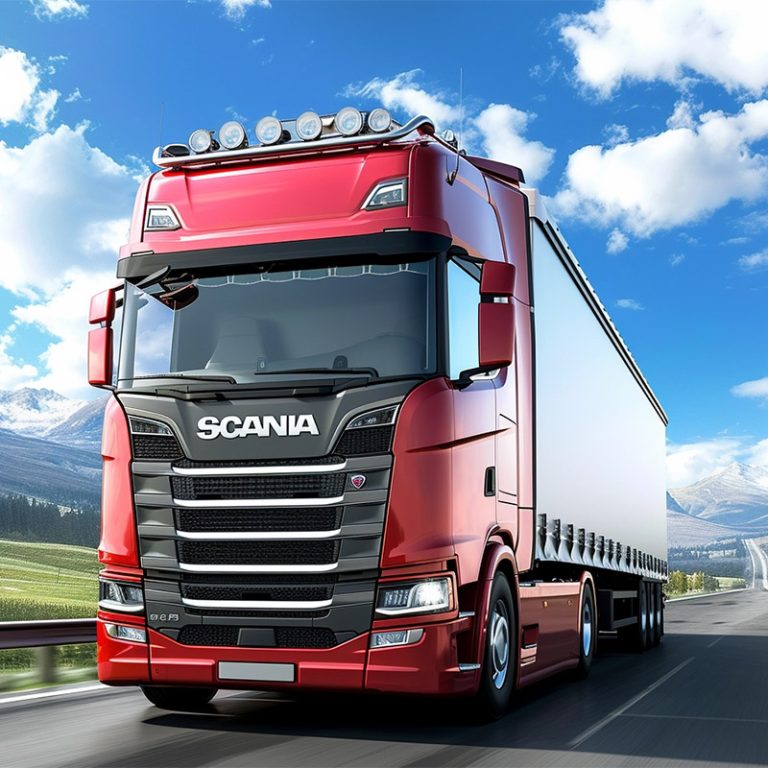
The trucking industry stands at the cusp of a revolution, driven by technology, environmental concerns, and evolving business models. As we navigate the road ahead, three key trends are poised to redefine logistics, offering both challenges and opportunities.
A significant shift toward sustainability is reshaping the trucking landscape. Electrification of fleets is at the forefront of this change, with companies increasingly investing in electric vehicles (EVs) to reduce carbon footprints and comply with stricter emissions regulations. This move not only supports environmental goals but also promises lower operating costs in the long term. Additionally, the integration of renewable energy sources for charging infrastructure further underscores the industry’s commitment to green logistics.
Autonomous driving technology is moving from concept to reality, promising to enhance efficiency and safety in trucking operations. While fully autonomous trucks may still be on the horizon, advanced driver-assistance systems (ADAS) are already making roads safer. Connected technology, through the Internet of Things (IoT), enables real-time tracking, route optimization, and predictive maintenance, streamlining operations and reducing downtime. This digital transformation is not just about adopting new technologies but rethinking logistics processes for improved service delivery.
The demand for customized and flexible shipping solutions is growing. Customers now expect more than just timely deliveries; they seek personalized service and transparency. This has led to the development of sophisticated logistics software that offers real-time updates, dynamic routing, and tailored services to meet diverse customer needs. As a result, the trucking industry is becoming more agile, responsive, and customer-focused.
These trends indicate a dynamic future for trucking, where innovation drives efficiency, sustainability, and customer satisfaction. Embracing these changes, the industry is set to navigate the challenges of tomorrow, ensuring the smooth movement of goods in an increasingly interconnected world.

The trucking industry stands at the cusp of a revolution, driven by technology, environmental concerns, and evolving business models. As we navigate the road ahead, three key trends are poised to redefine logistics, offering both challenges and opportunities.
A significant shift toward sustainability is reshaping the trucking landscape. Electrification of fleets is at the forefront of this change, with companies increasingly investing in electric vehicles (EVs) to reduce carbon footprints and comply with stricter emissions regulations. This move not only supports environmental goals but also promises lower operating costs in the long term. Additionally, the integration of renewable energy sources for charging infrastructure further underscores the industry’s commitment to green logistics.
Autonomous driving technology is moving from concept to reality, promising to enhance efficiency and safety in trucking operations. While fully autonomous trucks may still be on the horizon, advanced driver-assistance systems (ADAS) are already making roads safer. Connected technology, through the Internet of Things (IoT), enables real-time tracking, route optimization, and predictive maintenance, streamlining operations and reducing downtime. This digital transformation is not just about adopting new technologies but rethinking logistics processes for improved service delivery.
The demand for customized and flexible shipping solutions is growing. Customers now expect more than just timely deliveries; they seek personalized service and transparency. This has led to the development of sophisticated logistics software that offers real-time updates, dynamic routing, and tailored services to meet diverse customer needs. As a result, the trucking industry is becoming more agile, responsive, and customer-focused.
These trends indicate a dynamic future for trucking, where innovation drives efficiency, sustainability, and customer satisfaction. Embracing these changes, the industry is set to navigate the challenges of tomorrow, ensuring the smooth movement of goods in an increasingly interconnected world.
Игрокам, стремящимся избежать проблем и обеспечить себе комфортное времяпрепровождение, представляется возможность перейти на проверенные платформы. Казалось бы, как найти решения, которые исключают неприятные сюрпризы? Ответ прост: Пинко зеркало, представляющее безопасный способ наслаждаться азартом.
Согласно статистике, 78% пользователей отмечают улучшение качества игры, используя альтернативные ссылки для доступа к ресурсам. Это подтверждает, что выбор надежного источника является ключевым фактором в борьбе за положительный игровой опыт. Безусловно, каждое решение должно основываться на надежных рекомендациях от опытных игроков и экспертов.
Не менее важно учитывать согласованные методы обеспечения сохранности данных. Современные платформы предлагают усовершенствованные методы шифрования и аутентификации, обеспечивающие защиту ваших средств и информации. Пользователи могут свободно осуществлять операции, зная, что их активы находятся под надежной защитой.
При выборе платформы рекомендуется обращаться к известным источникам информации. Изучите отзывы пользователей на специализированных форумах и сайтах с рейтингами. Положительные мнения и высокая оценка могут служить индикатором надежности. Обратите внимание на количество положительных оценок и порядок их оставления – если пользователи делятся опытом часто и актуально, скорее всего, ресурс заслуживает доверия.
Дополнительно проверьте наличие лицензий у оператора. Легальных сайтов, работающих в этой отрасли, обычно много, но только те, которые имеют лицензию от авторитетных регуляторов, могут гарантировать соблюдение правовых норм и защиту игроков. Вопрос соблюдения правил безопасности и конфиденциальности данных также важен; изучите политику конфиденциальности, чтобы убедиться в защите вашей информации.
| Критерии оценки | Описание |
|---|---|
| Отзывы игроков | Анализируйте форумы и сайты с отзывами, обращая внимание на частоту и содержание. |
| Лицензия | Убедитесь, что у платформы есть лицензия от признанного регулятора. |
| Политика конфиденциальности | Изучите, как платформа защищает личные данные пользователей. |
1. Выбор лицензированной платформы. Перед регистрацией убедитесь в наличии лицензии у оператора. Лицензирование обеспечивает защиту прав игроков и контроль за честностью. Обратите внимание на такие юрисдикции, как Малта, Великобритания или Кюрасао.
2. Регулирование бюджета. Определите лимит для ставок и строго его придерживайтесь. Четкое разграничение суммы, которую вы готовы потратить, помогает избежать финансовых проблем. Используйте таблицы расходов для контроля.
4. Внимательное изучение правил игр. Каждый проект предлагает свои уникальные правила. Прежде чем приступить к ставкам, ознакомьтесь с механикой игр. Чтение правил помогает значительно повысить шансы на выигрыш.
5. Использование инструментов контроля. Ищите платформы, которые предлагают средства самоконтроля. Функции, такие как временные паузы или лимиты на средства, помогают сохранять контроль над игровой активностью.
Всегда будьте осторожны при взаимодействии с азартными развлечениями. Следуя этим рекомендациям, можно обеспечить безопасный и ответственный подход к ставкам.
Проверьте стабильность вашего интернет-соединения. Неисправности в сети могут блокировать доступ к платформе. Попробуйте переключиться с Wi-Fi на мобильные данные или наоборот.
Если перезагрузка не помогла, убедитесь, что вы вводите актуальные учетные данные. Воспользуйтесь функцией восстановления пароля, если не уверены в правильности введенных данных.
Если проблема сохраняется, проверьте наличие обновлений для браузера или приложения. Использование устаревших версий может привести к снижению функциональности.
Если доступ по-прежнему отсутствует, обратитесь в техническую поддержку. Напишите на официальный имейл или используйте онлайн-чат для получения помощи от специалистов.
Не забудьте ознакомиться с разделом “Часто задаваемые вопросы” на сайте, где могут быть ответы на распространенные проблемы. Это может значительно сэкономить время и устранить беспокойство.